Moving out of a rental is a strange mix of exciting and exhausting. Between packing boxes, coordinating movers, and updating your address, the last thing you want to think about is scrubbing baseboards. But the condition you leave your rental in matters, and a thorough move-out clean is one of the smartest ways to end your lease on a good note with your landlord or property manager.
This checklist walks you through exactly what to clean, room by room, so nothing gets missed on that final walkthrough. Whether you're leaving an apartment in Bradley, a rental house in Kankakee, or a place across the state line in Morocco, Indiana, the same fundamentals apply. Let's make your last day in the place a smooth one.
Why a Move-Out Clean Is Worth the Effort
When you first signed your lease, you probably walked through the unit with your landlord and noted its condition. A move-out clean is your chance to hand it back in a way that reflects well on you as a tenant.
A clean, well-cared-for rental helps you leave on good terms, which matters more than people realize. Landlords talk, and future rental applications often ask for references from previous property managers. Leaving a spotless unit is one of the easiest ways to earn a positive reference.
There's also the practical side. Most lease agreements include language about returning the unit "broom clean" or in the same condition as move-in, minus normal wear and tear. Meeting that standard removes a common point of dispute during the final inspection.
Here in the Midwest, seasonal grime adds a wrinkle. Winter road salt gets tracked across entryways, spring brings mud, and summer humidity can leave bathrooms prone to mildew. A move-out clean is your opportunity to address the buildup that accumulates over a lease term.
Room-by-Room Move-Out Cleaning Checklist
The best way to tackle a move-out clean is to work through the home methodically. Start at the top of each room and work down, so dust and debris fall onto surfaces you haven't cleaned yet. Save the floors for last.
Here's a practical, room-by-room breakdown you can follow.
Kitchen
The kitchen tends to hold the most grease and grime, so give yourself extra time here.
- Empty and wipe down every cabinet and drawer, inside and out
- Clean the interior and exterior of the refrigerator, then pull it out to sweep and mop behind it
- Degrease the stovetop, oven interior, and the vent hood or exhaust fan
- Run an empty cycle in the dishwasher and wipe the door and gasket
- Scrub the sink, faucet, and backsplash
- Wipe down countertops and remove any sticky residue
- Clean the microwave inside and out
- Sweep and mop the floor, including under the stove and fridge
Bathrooms
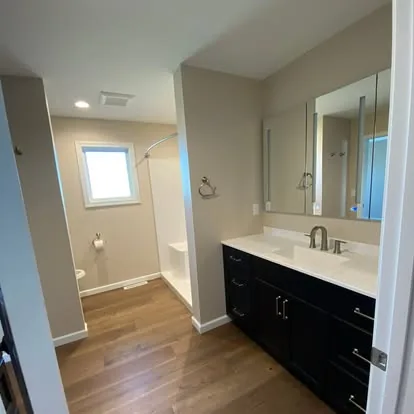
Bathrooms need to sparkle, since mildew and soap scum are the first things an inspector notices.
- Scrub the toilet inside and out, including the base and behind the bowl
- Clean the tub and shower, paying attention to grout, glass doors, and any soap scum buildup
- Wipe down the vanity, sink, and faucet
- Clean the mirror and any glass surfaces
- Empty and wipe out cabinets and drawers
- Wash the exhaust fan cover to remove dust
- Sweep and mop the floor, getting into corners and behind the toilet
Living Areas and Bedrooms
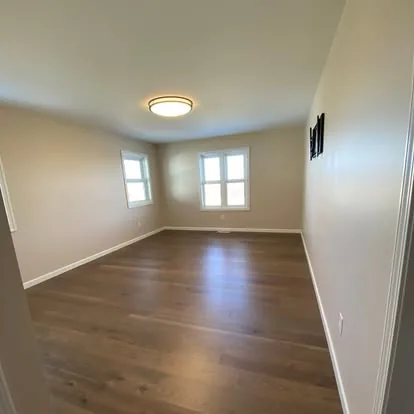
These rooms are usually the quickest, but the details still count.
- Dust all surfaces, including window sills, ledges, and shelving
- Wipe down baseboards and door frames
- Clean interior windows and glass doors
- Remove cobwebs from ceiling corners and light fixtures
- Wipe switch plates, outlet covers, and door handles
- Spot-clean walls for scuffs and fingerprints
- Vacuum carpets thoroughly, or sweep and mop hard floors
- Clean out closets, including shelves and rods
Entryways, Halls, and Extras
Don't forget the transitional spaces and the areas that are easy to overlook.
- Wipe down interior doors and any glass panels
- Clean light fixtures and replace any burned-out bulbs
- Vacuum or wipe out any HVAC vents and return-air grilles
- Sweep entryways where winter salt and mud tend to collect
- Clean the interior of the coat closet and any storage nooks
- Wipe down the washer and dryer if they're included, and clean the lint trap
Working through a rental in one go is a big job. If you'd rather hand it off, request a free quote and let us handle the heavy lifting while you focus on the move itself.
Don't Overlook These Commonly Missed Spots
Even careful renters tend to skip the same handful of areas. These are the spots that stand out during a final walkthrough, so give them a second look.
- Behind and under large appliances. Refrigerators and stoves collect dust, crumbs, and spills over the length of a lease. Pull them out if you can safely do so.
- Inside the oven and range hood. Baked-on grease is easy to ignore until inspection day. A degreaser and a little patience go a long way.
- Window tracks and blinds. Dust and dead bugs settle into window tracks, and blinds gather a surprising amount of grime.
- Ceiling fans and light fixtures. Dust builds up on fan blades and inside glass light covers. Wipe them down and check that all bulbs work.
- Baseboards and door frames. These collect scuffs and dust that are obvious once someone looks for them.
- The dryer lint trap and vent area. A clogged lint trap is both a cleaning issue and a safety concern.
- Patio doors and screen tracks. In our area, pollen in spring and leaves in fall collect in these tracks fast.
Taking care of these small areas signals to a landlord that you treated the whole unit with respect, not just the surfaces that show at a glance.
When to Bring in a Professional
Sometimes it makes more sense to hand the whole thing to a cleaning crew. If your moving timeline is tight, if the unit is large, or if you simply don't have the energy after a long packing week, professional help can be a relief rather than a luxury.
A professional move-in and move-out cleaning service is built specifically for empty homes. Because the space is cleared of furniture, we can reach everything, including the backs of closets, the insides of every cabinet, and the corners that furniture usually hides.
Here are a few situations where booking a pro tends to pay off:
- You're managing an out-of-state move and can't be there for the final clean
- The lease specifies a professional clean, or your landlord requested one
- You're a landlord or property manager turning over a unit between tenants
- The home has been through heavy use, pets, or a long tenancy
- You'd rather spend your final days saying goodbye to neighbors than scrubbing grout
If you're renting in and around our home base, our team regularly serves tenants and landlords throughout Kankakee and the surrounding communities. We know the local rental market and what a thorough turnover clean looks like.
Every quote is customized to the size and condition of your unit, so reach out and tell us about your place. We'll walk you through what's included and give you a clear picture before anything is scheduled.
A Simple Timeline for a Stress-Free Move-Out
Cleaning goes much smoother when it's spread out instead of crammed into moving day. Here's a loose timeline that works for most renters.
One to two weeks before: Start decluttering and tackle the deep-cleaning tasks that don't depend on the space being empty, like the oven, cabinets you've already emptied, and window tracks.
A few days before: Clean out the refrigerator and freezer once you've eaten down your groceries. Wipe down closets and storage areas as you empty them.
Moving day or the day after: Do the final pass once furniture and boxes are gone. This is when you handle floors, baseboards, and any last surfaces, then take photos of the empty, clean unit for your records.
Taking photos at the end is a small step that's worth the two minutes. A quick set of dated pictures documents the condition you left the unit in, which is useful for your own peace of mind.
Frequently Asked Questions
How is a move-out clean different from a regular cleaning?
A move-out clean is a deep clean of an empty home, focused on the details that matter for a final inspection. Because there's no furniture in the way, it reaches inside cabinets, behind appliances, and into closets and corners that a routine clean wouldn't touch. It's more thorough by design and geared toward handing the space back in excellent condition.
Should I clean before or after the movers come?
The final pass should happen after the movers have cleared everything out, so you can reach the floors, baseboards, and spaces the furniture was hiding. That said, you can get a head start earlier by cleaning appliances, emptied cabinets, and window tracks in the days beforehand. Spreading the work out keeps moving day from becoming overwhelming.
Do you offer move-out cleaning for landlords and property managers?
Yes. We regularly help landlords and property managers turn over units between tenants throughout Kankakee County, Iroquois County, Southern Will County, and Newton County, Indiana. Whether it's a single apartment or a handful of units, we can put together a plan that fits your turnover schedule. Just ask us for a customized quote.
How far in advance should I book?
We recommend reaching out as soon as you know your move-out date, since moving seasons can fill up quickly. Booking early gives you the best choice of dates and time to plan around your movers. If your timeline is tight, still get in touch, and we'll do our best to accommodate you.
Ready for a cleaner home or workplace?
Clean in Pink is a local, women-owned and operated house cleaning company that's licensed, bonded, and insured, and a portion of every clean supports breast cancer awareness. We'd love to take the move-out clean off your plate so you can focus on the next chapter. Call us at 877-754-5614 or request a free quote, and let's get your rental ready for its final walkthrough.